Oregon Fireplace Inspection Pros
Connect with Oregon's premier chimney sweep and repair pros with qualified CSIA/NFI specialists and CCB-licensed contracting. We maintain NFPA 211 and Oregon code, record inspections with detailed visual and technical analysis, and provide code-cited reports. You'll get HEPA-contained sweeping, level-appropriate creosote elimination, stainless/insulated liner upgrades, crown and flashing restoration, water-resistant sealing, and heritage-conscious mortar repairs. We add caps, spark arrestors, CO alarms, and draft optimization, then plan preventive maintenance. Explore our scope, options, and timelines.
Main Highlights
- Our CSIA/NFI-certified and Oregon CCB-licensed technicians provide thorough repairs and inspections following NFPA 211 standards, featuring complete documentation with photographic evidence.
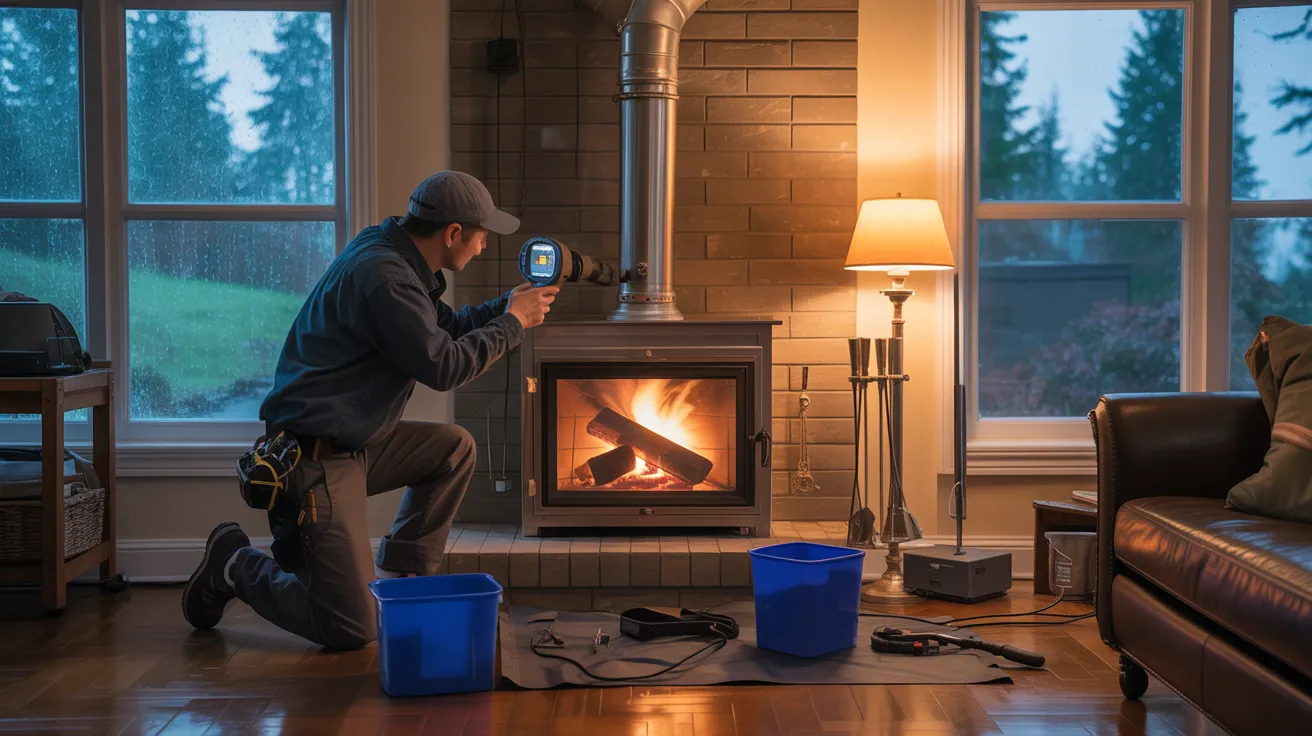
- Advanced diagnostics: Level II-III camera analysis, infrared scanning, smoke verification, and draft pressure measurements for accurate, code-referenced results.
- Comprehensive cleaning service with HEPA-filtered containment system, suitable creosote removal methods, and post-cleaning particulate verification.
- Professional masonry solutions: featuring crown restoration and upkeep, weather-resistant flashing, moisture protection, traditional lime mortar restoration, and preventive leak monitoring to protect both historic and contemporary properties.
- Safety packages and maintenance plans: including safety-rated liners, protective caps, CO/heat alarms, EPA-compliant heating appliances, yearly maintenance sweeps, and priority scheduling.
Technical Certification and Training Requirements
Given that chimney work has a direct impact on building safety and structural integrity, qualified professionals in Oregon follow nationally recognized credentials and documented training pathways. You should verify active certification with CSIA or National Fireplace Institute, plus Oregon CCB licensing where contracting applies. Professional organizations connect you to technicians who have completed approved apprenticeship programs, OSHA-10/30 safety, and specialized certification modules for liners, dampers, and solid-fuel systems.
Detailed procedures are established that reference NFPA 211 and IRC/IMC standards. Technicians perform equipment calibration, document readings, and keep detailed records according to industry standards. They keep detailed chain-of-custody for photos and reports, and regularly complete continuous evaluation, covering updated standards and safety protocol reviews. You'll receive comprehensive details on work specifications, safety assessments, and recommended repair procedures with verified parts documentation. This thorough training delivers reliable workmanship, safety compliance, and durable outcomes.
Advanced Chimney Inspections and Diagnostics
Where simple inspections find basic problems, advanced chimney evaluations in Oregon follow NFPA 211 Level II-III standards using advanced tools. Our systematic approach delivers that goes further than surface checks. We utilize high-resolution video scoping to evaluate flue liner status, transitions, and concealed issues from bottom to top. Thermal imaging technology reveals thermal variations exposing gaps, failed insulation barriers, or combustibles too near the chimney. Targeted smoke testing confirms proper draft, detects escape points at connection points, tops, and junctions, and confirms system integration.
We evaluate safety clearances, chase builds, seismic restraints, and exhaust heights according to Oregon regulations and manufacturer guidelines. We'll provide a comprehensive photo report including defect ratings, priority assignments, and correction methods. This strategy decreases fire dangers, controls carbon monoxide transfer, and enables proper repair scheduling ahead of the heating period.
Green Cleaning Techniques and Creosote Management
In prioritizing indoor air quality and environmental safety, we utilize low-toxicity, PH-neutral cleaning solutions and HEPA-controlled, negative-pressure containment to capture soot and particulates at the point of origin. You get a sealed work zone, following NFPA 211 best practices, that safeguards living spaces and HVAC returns.
In treating creosote deposits, we tailor the removal method to its glaze level. We use natural solvents for Stage 1-2 deposits to soften tars, then clean using non-aggressive cleaning tools that safeguard flue tiles or stainless liners. For stubborn glazing, we implement rotary, torque-limited whips and measured cleaning pressure within manufacturer tolerances, confirming draft and clearances after each pass. We contain and identify waste for proper disposal and maintain records with visual documentation, recorded measurements, and final cleanliness tests.
Crown Restoration, Masonry Repair, and Repointing Services
Even minor mortar issues can channel water into the chimney assembly, so we diagnose masonry defects early and correct them to code. We inspect the crown, joints, and brickwork for cracking, white deposits, hollow areas, and structural shifts. You'll receive a comprehensive outline that details appropriate materials and proper ordering.
We eliminate damaged joints to establish a uniform depth, clean the arrises, and reconstruct using suitable engineered mixes or lime mortar tailored to the original masonry. Our joint restoration methods create dense, weather-tight joints with proper tooling profiles to shed water. We replace damaged units, reposition loose caps, and install stainless anchors when necessary.
When working on crowns, we clear away deteriorated mortar, rebuild using reinforced, fibered cement, establish proper slope and drip edges, and waterproof penetrations-stopping water intrusion and freeze-thaw damage.
A Guide to Chimney Liners, Relining Options, and Draft Performance
It's important to determine what type of liner matches your appliance and fuel type - including cast-in-place, clay tile, or stainless steel to satisfy NFPA 211 and Oregon Mechanical Specialty Code. We will compare material choices considering temperature resistance, corrosion resistance, dimensional adaptability, and UL listings to align with gas, oil, or wood systems. Then we'll improve ventilation through proper appropriate liner diameter, flue proportions, insulation, and tight connections to reduce backdrafts, CO risks, and condensation.
Types of Chimney Liners
Chimney liners serve as specially designed conduits that contain flue gases, safeguard masonry from acids and heat, and stabilize draft to comply with Oregon Mechanical Specialty Code and NFPA 211 standards. There are three main types: clay tile, metal, and cast-in-place. Clay tile serves many open fireplaces but requires intact joints and limited offsets; it's not appropriate for most modern appliances. Metal liners-typically stainless-offer excellent corrosion resistance, flexible routing, and accurate measurements for draft optimization. Be sure to check insulation compatibility to maintain required clearances and flue gas temperatures. Cast-in-place systems strengthen older stacks, improve smoothness, and minimize leakage.
Select a flue liner according to fuel type, appliance BTU input, connector diameter, height, and exposure. Follow manufacturer installation techniques, ensure proper termination connections, and provide approved insulation as required. Always maintain proper sizing documentation and approval records.
Material Options for Relining
Focus first on what the liner should achieve: control condensates and combustion byproducts, preserve code-required clearances and temperatures, and deliver stable draft appropriate for the appliance. You'll evaluate materials by fuel, exposure, and code listing. Flexible stainless steel liners (304/316/AL29-4C) accommodate wood, oil, and high-sulfur gas; opt for stainless upgrades when creosote, moisture, or past chimney fires are concerns. Rigid stainless increases durability where straight runs are possible. Cast-in-place systems add structural stabilization and better thermal mass, but require verified crown and cap protection. Clay tile replacement works well for new construction, not most retrofits. Modern chimney polymers are light and corrosion-resistant for certain low-temp gas appliances, but confirm UL/ULC listings and temperature ratings. Always insulate to meet NFPA 211 clearances and manufacturer UL 1777 requirements.
Optimizing Draft Results
Optimize venting performance by matching venting system components to the equipment configuration, then adjusting height and termination for steady negative pressure. You'll get reliable flow when the vent size corresponds to the appliance outlet and the vent remains smooth, warm, and dry pathway.
Choose suitable stainless steel alloys depending on fuel type, apply wrap or pour-in insulation to ensure flue gas temperature, and seal all joints for gas-tight operation. Check chimney height following NFPA 211 and Oregon code, ensuring clearance from roof obstructions and adding listed caps or weather-resistant terminations.
Execute ventilation system balancing with the HVAC system and combustion air setup to reduce depressurization. Employ smoke testing and manometer readings to confirm draft, detect leakage, and fine-tune. If inadequacies continue, evaluate flue relining, system resizing, or installing a draft inducer.
Waterproofing, Leak Detection, and Weather Protection Services
Keep an eye on initial leak indicators, including water marks near the chimney on your ceiling, white mineral deposits on brick, and oxidation on the chimney components. Our team applies building code approved waterproofing solutions: crown repair using bonded cement or crown coat, installation of new step and counter-flashing, cap installation, and vapor-permeable masonry sealants. For enduring weatherproof performance in Oregon's wet climate, you should schedule yearly inspections, maintain mortar joints and caps, and remove debris from gutters to avoid water damage.
Warning Signs of Early Leaks
What are the signs of a chimney leak before it damages your chimney's structure and interior? Start with a comprehensive inspection routine. Look for water-related issues: efflorescence on masonry, discolored mortar, crumbling brick exteriors, or rust streaks on the chase cover and damper. In interior spaces, watch for moisture-related scents, peeling paint by the chimney structure, expanding drywall joints, and floor damage surrounding the hearth area.
Start at the roofline upward, scan the crown for hairline cracks, worn caulk near the counter-flashing, and spaces where flashing connects with shingles. Inspect the cap for damaged screens that permit wind-driven rain. Within the firebox, look for peeling creosote combined with rust-an indicator of moisture. Document findings, capture images of problem spots, and arrange a Level 2 inspection if framework or liners exhibit distress.
Proven Waterproofing Methods
Creating a watertight chimney starts with systematic leak detection, then combines targeted repairs with regulation-adherent weatherproofing. You start by tracing moisture to its source: crown fissures, cap failures, tiny mortar fractures, permeable masonry, or flashing faults. Employ dye tests and moisture meters to identify routes. Next, perform repairs that comply with Oregon code: repoint deteriorated joints, resurface crowns with fiber-reinforced cementitious coatings, and place a properly sized, corrosion-resistant cap.
Where roofs meet, apply joint waterproofing utilizing temperature-resistant, UV-stable elastomeric sealants and reposition counter and step flashing to manufacturer guidelines. Shield masonry by applying vapor-permeable, silane/siloxane breathable coatings that shed water while allowing trapped moisture to dissipate, preventing spalling. Finally, install cricket flashings on large chimney structures, verify proper drip edge placement, and maintain clear, gasketed thimble penetrations for weathertight, safe venting.
Weatherproof Maintenance for the Long Term
While repairs address active leaks, lasting waterproof protection depends on a regular maintenance program that tracks system status and verifies moisture control. You'll determine inspection intervals based on rainfall and freeze-thaw cycles, record photos, and track moisture levels at the firebox, smoke chamber, crown, and roof decking.
Prioritize identifying water leaks. Test caps, crowns, counterflashing, and roof flashing with controlled water testing, working from bottom to top. Meticulously check mortar joints, chase covers, and liners for deterioration like structural damage and mineral buildup. Make sure water drainage paths are clear.
Install breathable masonry water repellents per manufacturer spread rates and ASTM standards. Install elastomeric crown sealing systems with fiber reinforcement; reset loose roof flashing to code, then form sealant to ensure water runoff. Include gutter system upkeep: clear debris, verify proper downspout flow, and correct negative grading. Log completed work and verify after storm events.
Expert Historic Home Services Throughout Oregon's Climate Zones
For owners of a historic residence in Oregon-from damp coastal Victorians to high-desert Craftsman bungalows-you must have chimney maintenance specifically designed for building age, construction materials, and local climate. We assess historic brickwork, chimney liners, and fireboxes, then specify treatments that respect Historic preservation website while satisfying current performance standards. You'll receive mortar analysis, lime-compatible repointing, and brick matching that preserves structural integrity and moisture management.
For climate adaptation solutions, we customize solutions for challenging conditions from coastal salinity to mountain freeze-thaw and eastern temperature swings. We carry out comprehensive analyses using manometer readings to check draft, perform video inspections of terra-cotta liners, and assess interface points between crowns and flashings to stop water intrusion. Our proposed solutions focus on adaptable solutions, reduced material impact, and compatible protective coatings, guaranteeing durability while respecting historical significance.
Safety Improvements, Compliance Requirements, and Ongoing Maintenance
Preserving historical integrity doesn't prevent modern safety measures; it creates the basis for safe operations that meet regulations. You'll get NFPA 211-compliant inspections that validate combustible clearance requirements, appropriate liner sizing, and chimney height compliance with IRC/IMC. We replace damaged clay liners with UL-listed stainless liners, add thermal liner systems for performance, and fit protective caps, spark protection, and screening to minimize spark emission and pest intrusion.
We set up child-safe zones with protective gates and stabilized screens, specify CO and heat alarms, and confirm make-up air for sealed environments. We upgrade appliances with enclosed-combustion units, direct-vent gas units, and EPA-certified wood stoves, aligned to chimney capacity and airflow. We repair crown cracks, seal masonry, and service dampers, maintaining proper airflow, minimal creosote buildup, and confirmed compliance documented in your report.
Scheduling, Seasonal Prep, and Service Packages
Book your pre-season maintenance and sweeping early to align with NFPA 211 and manufacturer specifications. This enables us to check draft performance as seasons change and handle any required fixes before your first fire. Pre-season appointments helps avoid peak demand, ensures replacement parts are available, and enables efficient planning for roof access, climate considerations, and fuel system modifications.
We'll evaluate your heating system specifications to determine a customized service routine: Level I or II inspection, sweep, smoke chamber evaluation, and CO/combustion air checks. Our service packages include yearly system evaluation, cleaning, and component checks, including detailed visual documentation and parts renewal, providing priority scheduling and repair allowances.
Schedule masonry repointing, crown resurfacing, and waterproofing during preseason, while saving mid-season slots for rapid inspection services. We'll thoroughly record all issues, provide code-cited reports, and promptly schedule corrective work.
Questions & Answers
Can You Provide Emergency Chimney Services After Storms or Fire Damage?
We handle emergency chimney services when storms or fires cause damage. We begin with quick evaluation, making the location safe, isolating utilities, and preventing collapse or carbon monoxide intrusion. We evaluate all chimney components and structural elements based on safety protocols, assess and note problems, and provide temporary weatherproofing. You'll get a code-compliant repair plan with thorough explanation of repairs and timing. We work with insurance companies and authorities to expedite safe re-occupancy.
Will You Help With Insurance Claims for Chimney Repairs?
Yes. You receive comprehensive insurance assistance from evaluation through settlement. We capture structural issues with NFPA 211-aligned inspections, photos, and code-compliant repair plans. We prepare thorough estimates, provide claim support, and work with your adjuster to validate causation, scope, and materials. You authorize all work orders. We emphasize safety, reduce hazards, and stabilize the structure before repairs. You receive detailed timelines, cost analysis, and compliance certificates to streamline your chimney damage claim.
Which Oregon Areas and Neighborhoods Do You Serve?
Curious about our coverage area? We cover Portland neighborhoods and throughout the Willamette Valley, including rural regions from the coast to the Cascades. Picture hearths as lighthouses; we keep them true. We travel from St. Johns to Sellwood, Alberta to Lents, along with Salem, McMinnville, Corvallis, and neighboring rural areas. You'll receive NFPA 211-compliant inspections, OSHA-safe configurations, and regulation-compliant repairs, even in remote areas. We carefully assess clearances, draft, liners, and masonry to maintain your heating safety.
Are Installation and Service Available for Wood Stoves, Inserts, and Gas Fireplaces?
Yes, we provide installation and maintenance for gas fireplaces, wood stoves, and inserts. We ensure NFPA-211 compliant installations, proper venting, clearances, and draft optimization. When servicing wood stoves, we clean flues, inspect baffles, gaskets, and chimney liners, and confirm adequate protection measures. When examining gas fireplaces, our team checks gas pressure levels, ensure all fittings are secure, check combustion air flow, verify proper ventilation, and adjust control systems. We provide permits, manufacturer-specified parts, and post-installation safety verification and documentation.
Can I Get Financing for Large Chimney Projects?
Similar to mapping a secure route, you have Payment options and Project financing to help manage extensive chimney repairs. You can pay using card, ACH, or staged milestones; for extensive work, term financing with straightforward APRs and zero prepayment fees can be arranged. We thoroughly evaluate financing partners, validate terms, and structure installments with NFPA 211-compliant phases: inspection, permitting, liner/masonry work, and final commissioning. You'll sign off on comprehensive estimates and approvals throughout the process maintaining safety and building codes.
Final Thoughts
You skillfully blend rustic hearth comfort with rigorous code compliance. You arrange certified technicians, while ensuring required spacing. You support green maintenance options, yet demand documented buildup elimination. You admire traditional brickwork, while ensuring ASTM-compliant restoration work. You locate concerns with advanced diagnostics, before sealing with waterproofing. You optimize ventilation without compromising breathing air safety. You create seasonal maintenance plans, while emphasizing proactive maintenance. Security pairs with convenience - while standards remain firm.